
Pistachios are among the most nutritious nuts in the world, offering not only a delicious and pleasant taste but also a rich source of protein, healthy fats, carbohydrates, vitamins, and minerals. Every 100 grams of pistachios contains a combination of essential nutrients that support heart health, brain function, immune system strength, and daily energy needs. In the table below, you can see the amount of each nutrient per 100 grams of pistachios and the percentage of the recommended daily allowance (RDA), helping you better understand the nutritional value of this healthy and tasty product.
| Nutritional Value of Pistachio (per 100g) | ||
|---|---|---|
| Nutrient | Amount in Pistachio | RDA (%) |
| Energy | 560 kcal | 28% |
| Protein | 20.2 g | 40% |
| Carbohydrate | 27.2 g | 10% |
| Fat | 45.3 g | 58% |
| Potassium | 1020 mg | 22% |
| Phosphorus | 490 mg | 70% |
| Magnesium | 121 mg | 30% |
| Copper | 1.3 mg | 144% |
| Manganese | 1.2 mg | 52% |
| Iron | 4 mg | 50% |
| Vitamin B1 | 0.87 mg | 73% |
| Vitamin B6 | 1.7 mg | 131% |
| Vitamin E | 2.86 mg | 19% |
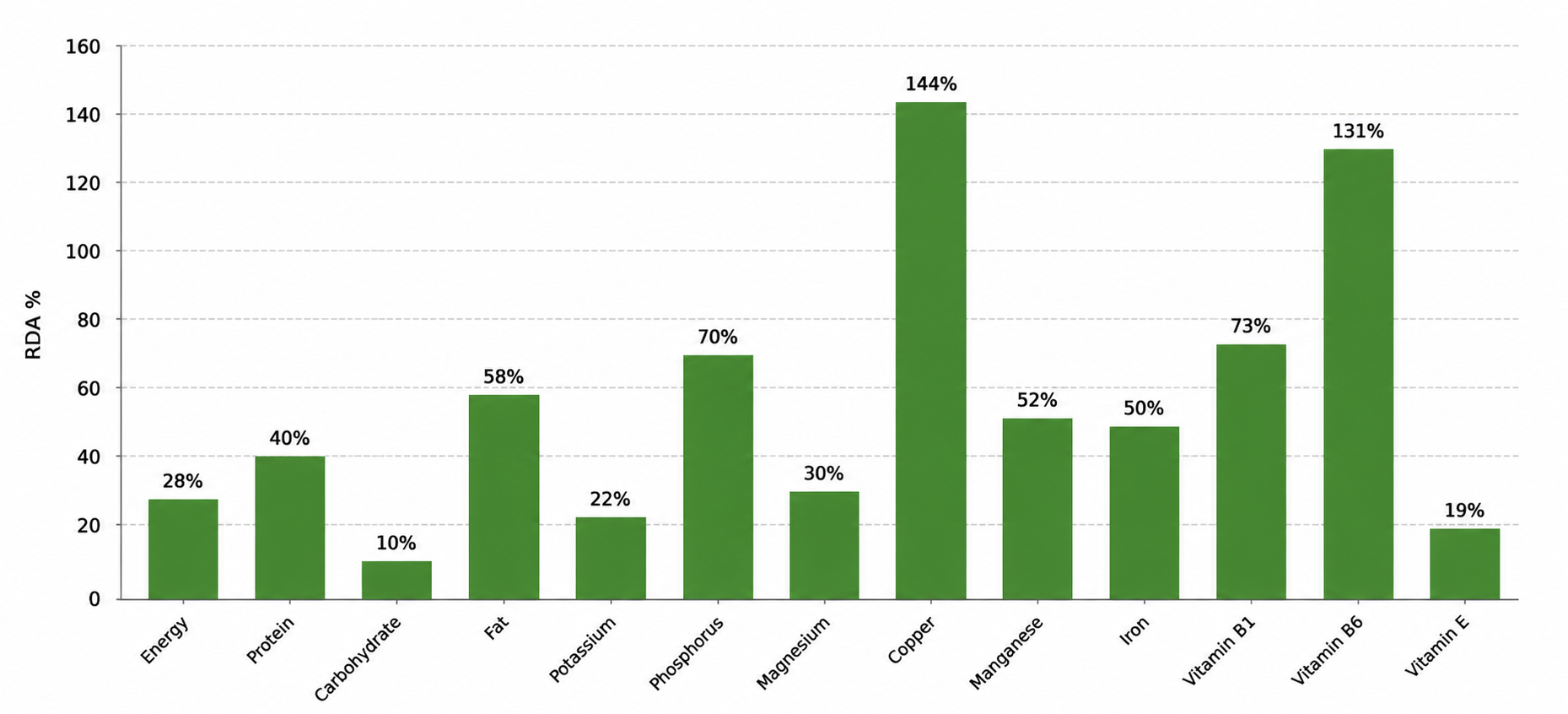
As shown in the table above, consuming 100 grams of pistachios per day can provide a significant percentage of the body’s macronutrient needs, which include three main groups: carbohydrates, proteins, and fats. With a balanced combination of these three, pistachios serve as a healthy and nutritious snack to supply energy and support overall well-being (Macronutrients: nutrients required by the body in relatively large amounts to produce energy and maintain proper function).
Scientific Evidence on Health Benefits of Pistachios
Pistachios are recognized in scientific literature as a nutrient dense food with multiple health promoting properties that make them valuable not only in nutrition but also for supporting health, and these indicate its importance in the food and health industries. Pistachios contain a rich profile of unsaturated fatty acids, high quality plant proteins, dietary fiber, vitamins, minerals, and bioactive phytochemicals including γ tocopherol, carotenoids, and phytosterols. These compounds are associated with antioxidant, anti inflammatory, and cardiometabolic benefits. ScienceDirect
Scientific reviews and clinical studies have shown that pistachio can enhance antioxidant defenses in the body, helping to reduce oxidative stress biomarkers and improve overall systemic antioxidant capacity. In controlled feeding trials, diets containing pistachios...
In controlled feeding trials, diets containing pistachios increased blood concentrations of antioxidant compounds and reduced markers of lipid oxidation, supporting cardiovascular and metabolic health. MDPI
Additionally, pistachios have been linked to improvements in heart health parameters, such as favorable effects on blood lipid profiles and potential reductions in systolic blood pressure, suggesting a protective cardiovascular role. Cambridge University Press & Assessment
The combination of healthy fats, fiber, and micronutrients contributes to regulation of blood glucose levels, supports glycemic control, and provides satiety, which can be important in weight management strategies.
These properties underline why pistachios—particularly high quality kernels with preserved phytonutrients like those found in green peeled pistachio kernels—are not only consumed as nutritious snacks but also valued in functional foods, nutraceutical products, and health oriented formulations. Their rich composition of antioxidants and phytochemicals provides a scientific basis for inclusion in products designed for oxidative stress mitigation, metabolic health support, and general wellness.
